
Christmas tree staging: what the lights actually mean
The Christmas tree at a drag strip is not decoration. It is the clock that starts your reaction time: a stack of ambers, then green, and a red that means you left before you were allowed. People search what the lights mean because the first night in the beams feels faster than thinking. This page is the sequence, said slowly. It is not a licensing course and not every track’s house rule — the starter in that lane is the rule that night. It is the difference between “I was ready” and “I left on the last amber and lost on the tree.”
Pro trees and sportsman trees do not drop the same way. A pro tree flashes the ambers together; a sportsman tree walks them down. If you trained your foot on one and you are standing in the other, your reaction number will tell on you. Staging is two beams: pre-stage, then stage. Deep-staging is a choice with a cost. None of this is mystique. It is bulbs and beams and a foot that wants to cheat the last amber.
What each bulb is actually saying
Pre-stage: the front of the tire has broken the first beam; roll in. Stage: you are in the second beam; the starter can light the tree. Ambers: get ready — on a sportsman tree they come one by one; on a pro tree they come as a package. Green: you are allowed to leave. Red: you left early. The race can still look pretty from the stands. On the slip it is already over. If you deep-stage, you roll a little farther in and shorten the roll-out, which can help a reaction and hurt a first-timer who now has less room to recover a twitch.
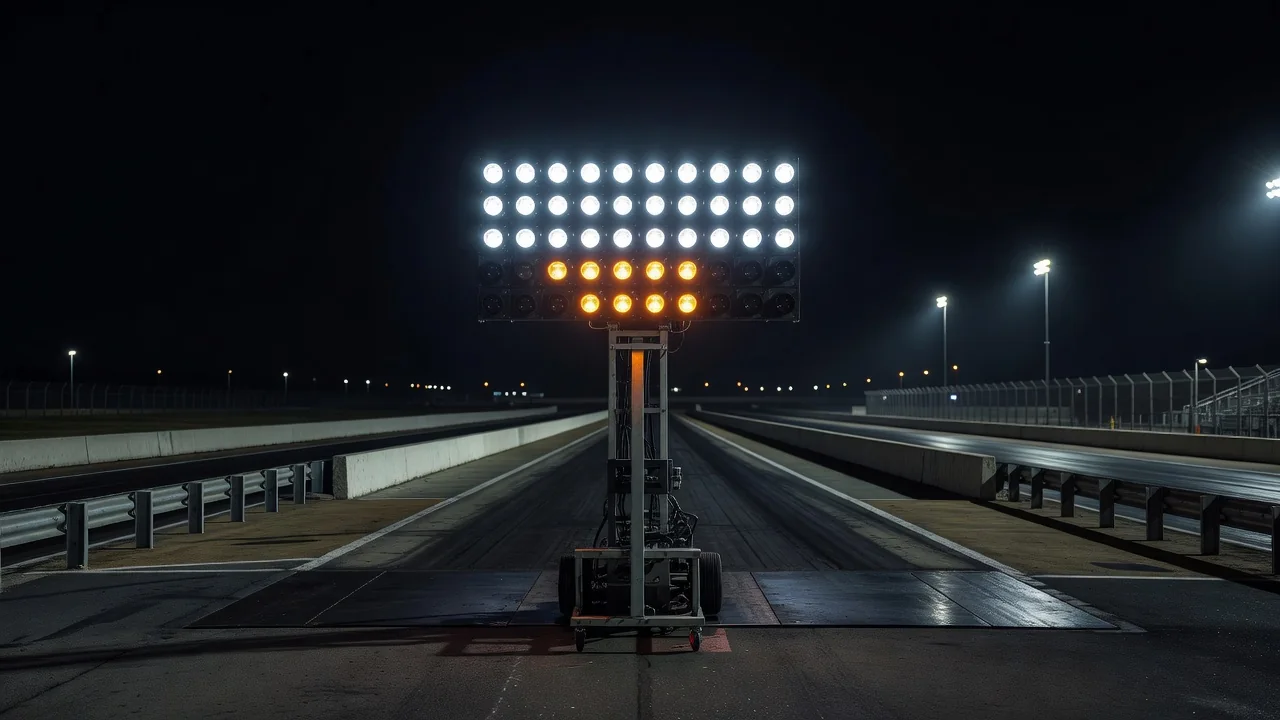
- Ask the lane which tree you are on before you pre-stage. Do not guess from muscle memory.
- Pre-stage, breathe, then stage. Rolling both at once is how first-timers get lost in the bulbs.
- Green is permission. The last amber is not permission, no matter how many internet passes say otherwise.
- Red is a loss even if you get to the stripe first. Argue with the slip at home, not with the starter.
- If you do not know what deep-stage costs, do not do it on a first test-and-tune.
| Light | Meaning | Common mistake |
|---|---|---|
| Pre-stage | You have found the first beam | Stopping there and waiting for green |
| Stage | You are in; the tree can start | Creeping, then red-lighting |
| Ambers | Get ready — sequence depends on the tree | Leaving on the last amber every time |
| Green | You may leave | Waiting so long the other lane is gone |
| Red | You left early | Calling it a “moral win” |
The risk of racing the bulb instead of the car
A perfect reaction in a car that is not ready is still a loss at the stripe, and a hero leave that red-lights is a loss with a crowd. First night: stage clean, leave on green, bring back a slip you can read. The tree will still be there next week. Your transbrake thumb does not need to win the parking lot on a Tuesday test-and-tune. If the starter waves you back, you go back. The bulbs do not owe you a do-over story.
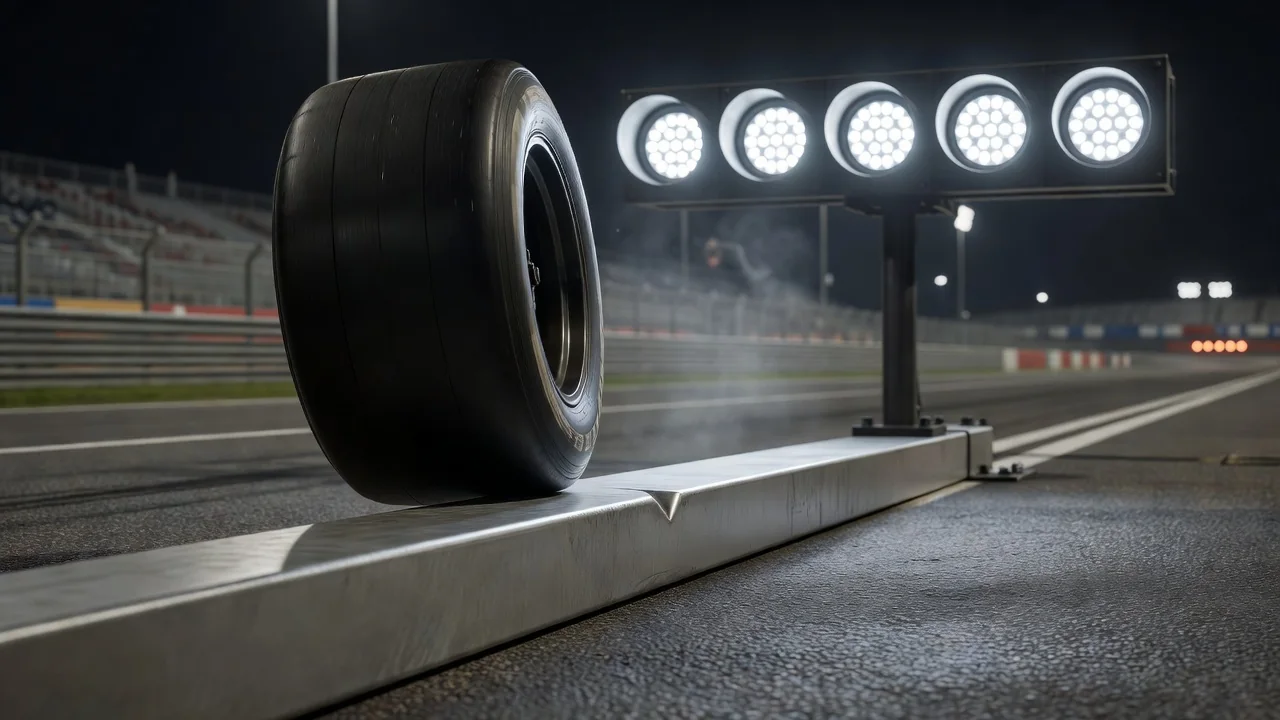
What to remember when the ambers start
Pre-stage, stage, know which tree you are on, leave on green, treat red as the end of that pass. The Christmas tree is a clock, not a dare. Bring back the slip and read the reaction before you touch the car. The lights will not come to the pits to explain themselves — and they do not need to, if you already know what each colour was for.