 Guides
Mad Casino cashier: 20 € min deposit, 100 € min cash-out, 1 000 € a day. Cards take banking days; crypto is fa
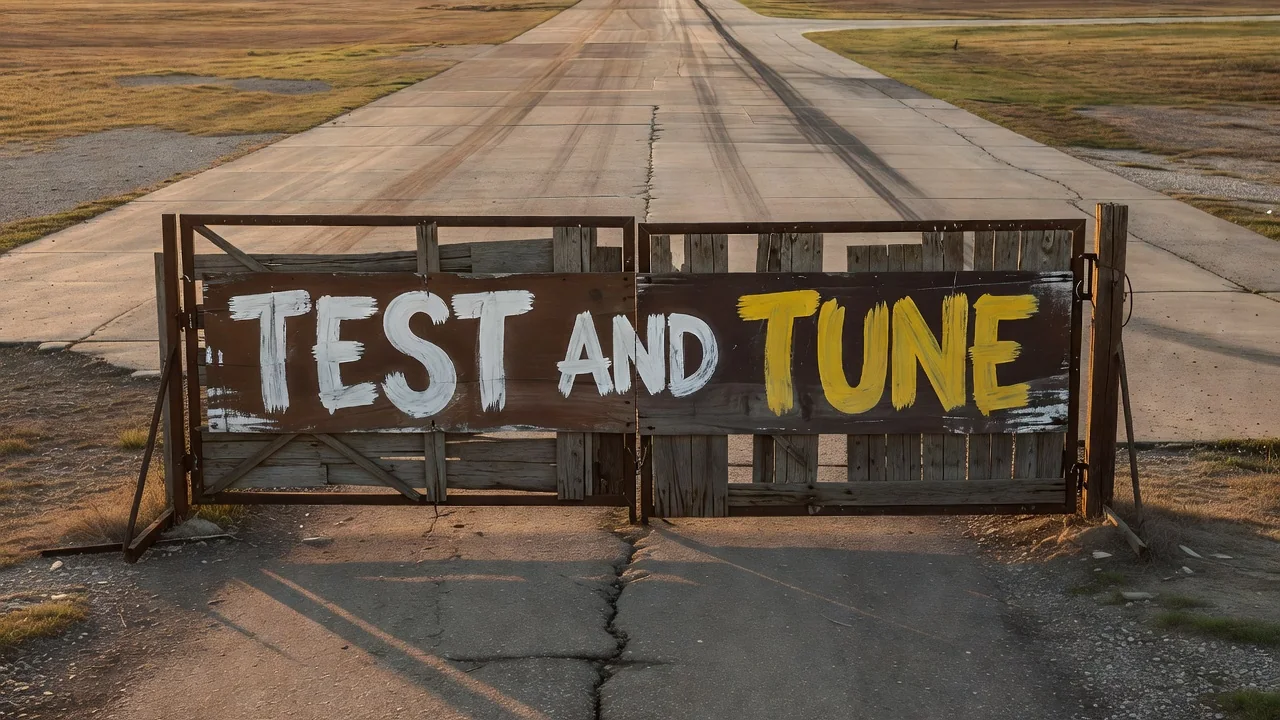
Where the legal racing actually happens, what a test-and-tune is for, which classes take a stock car, and what a first season honestly costs.
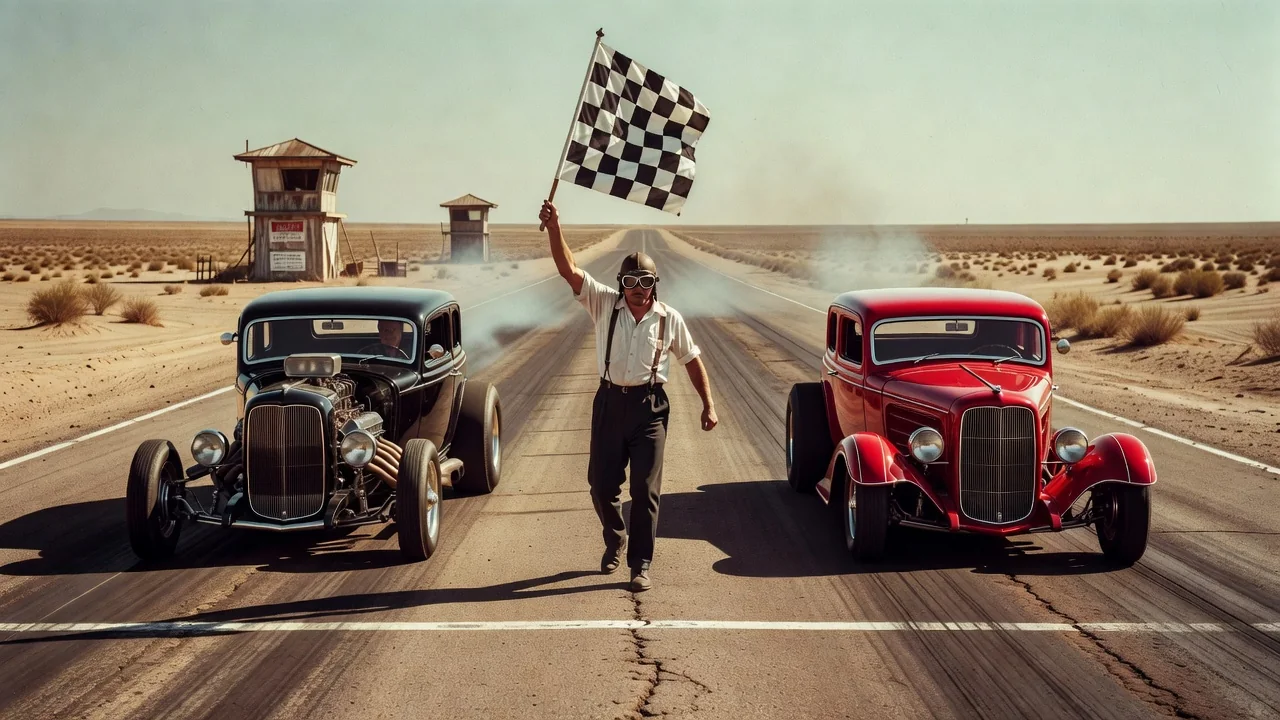
From dry lakes and airstrips to the NHRA standard: how 1,320 feet became the distance that settles every argument in American speed.
From the gate to the return road: paperwork, tech, the water box, staging and the shutdown — the first run, step by step, without the panic.
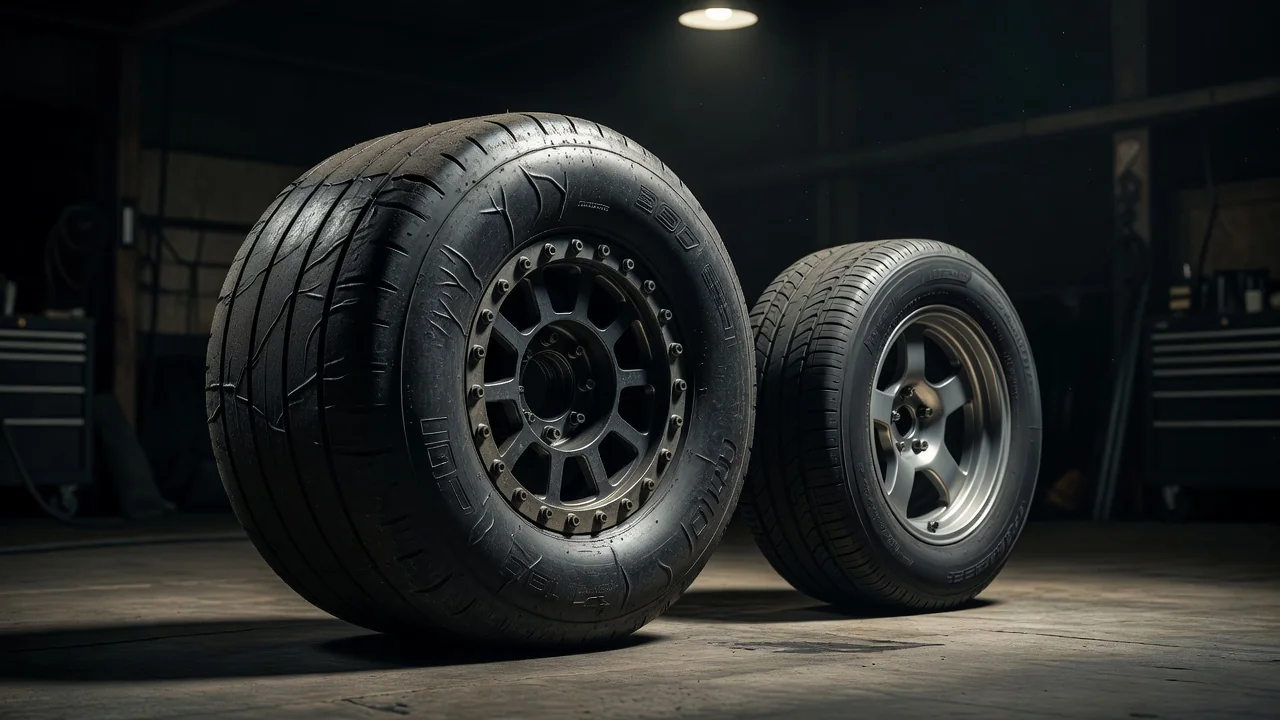
The bias-ply wrinkle-wall, the DOT drag radial and the tire you drove in on: what each gives, what each asks, and the red flags that end tire shopping
Factory launch control is software, a two-step is a rev limiter with a job, and a transbrake is a question your whole driveline has to answer.
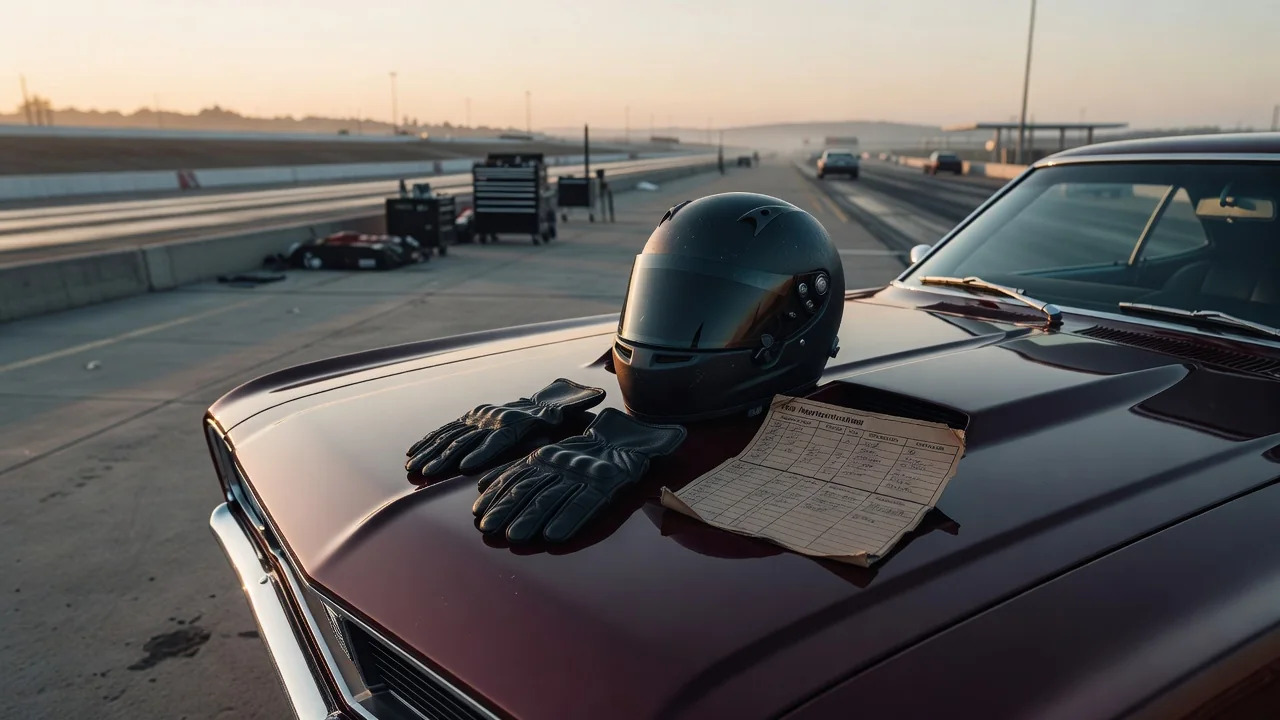
Every rule at the strip is a memorial to a bad day somebody else already had: tech inspection, the speed ladder, and the etiquette that is really safe
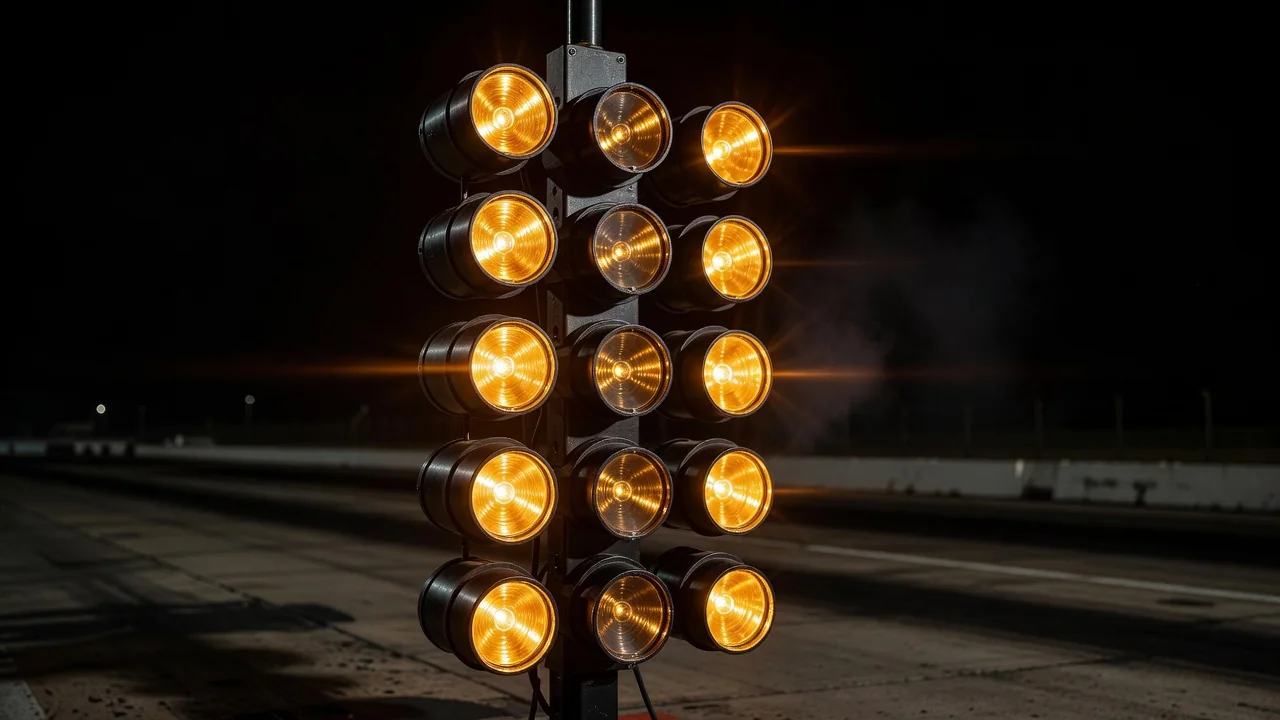
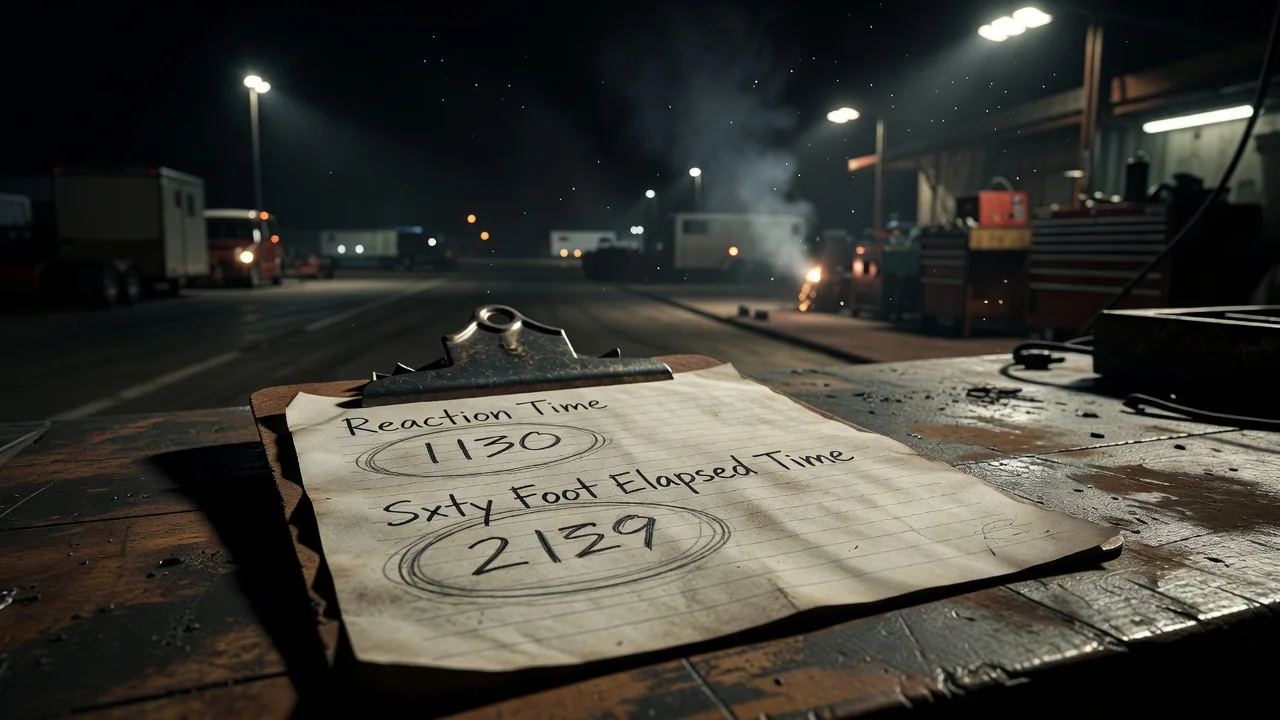
The tree is a clock, not a dare. Bring back the slip and read the reaction.
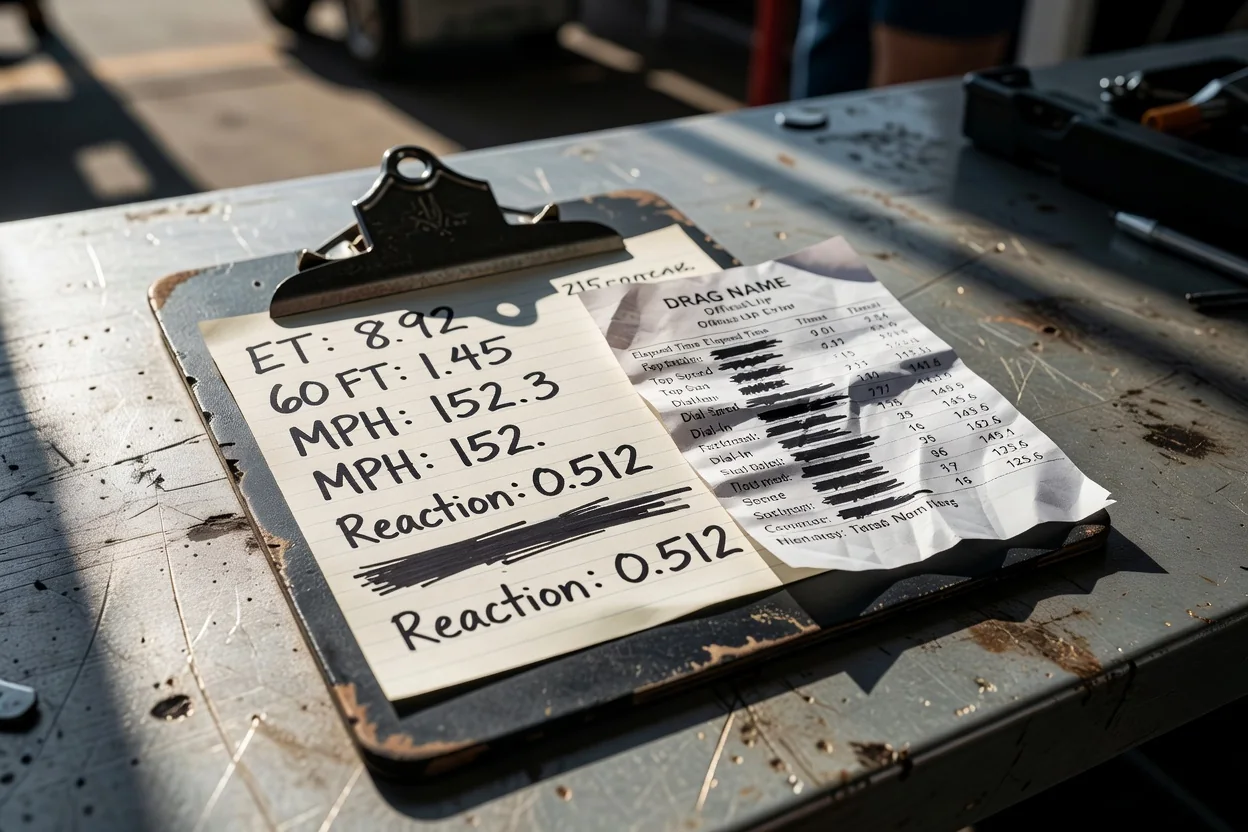
A personal best that broke out is still a loss. The card said so.
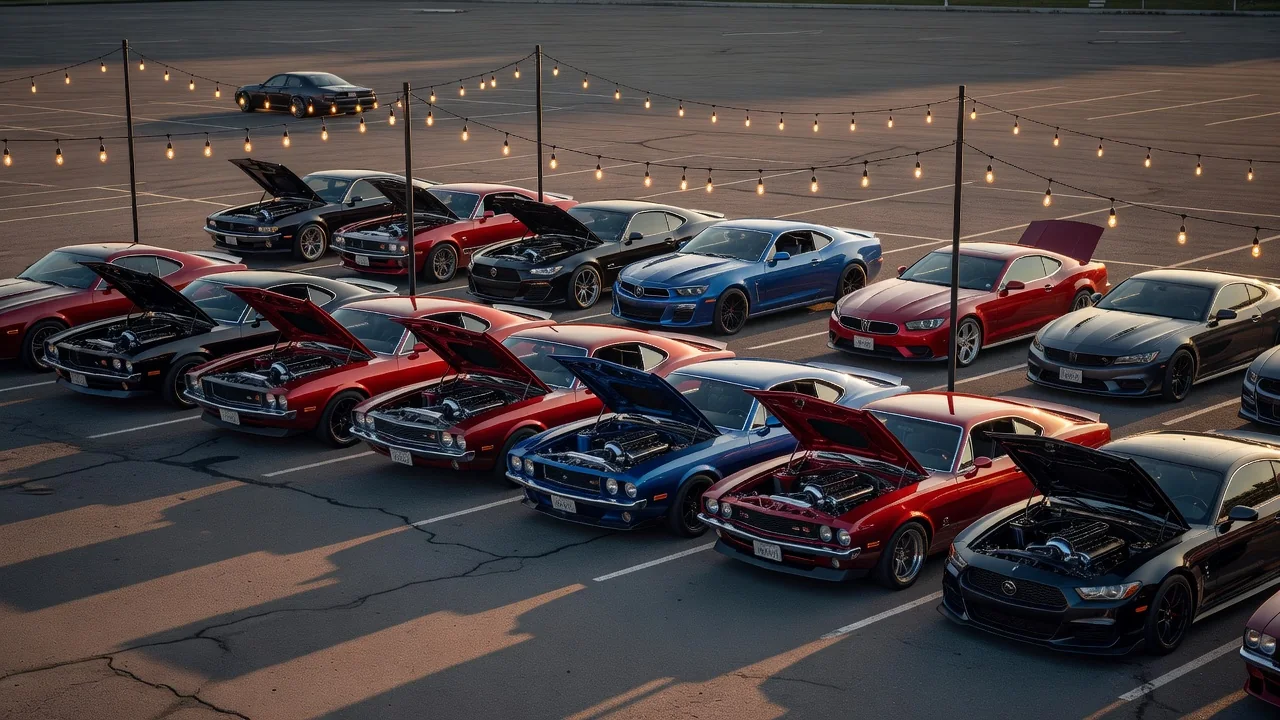
No revving contests, no touching the paint, no burnouts in the lot: how the good meets stay welcome and why the bad ones lose their venue.
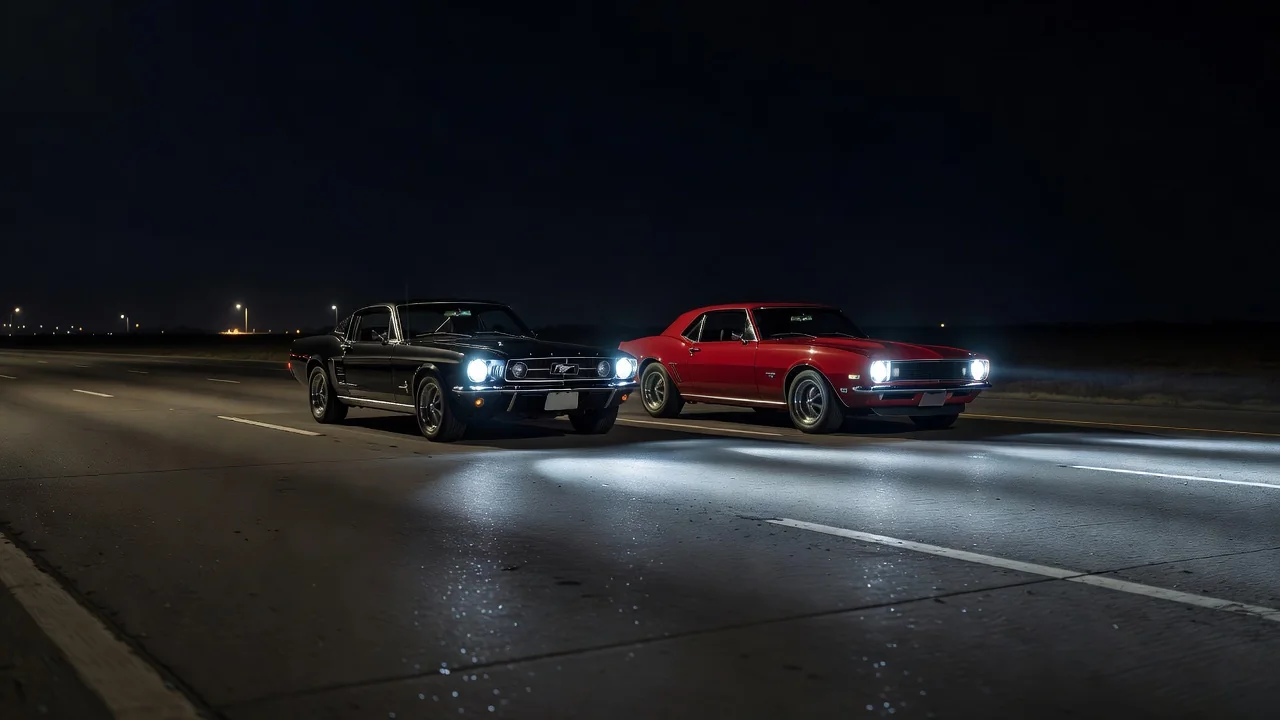
From a dig the launch is everything; from a roll the gearing is. Why the two formats favor different cars, and why the street never agreed on one.
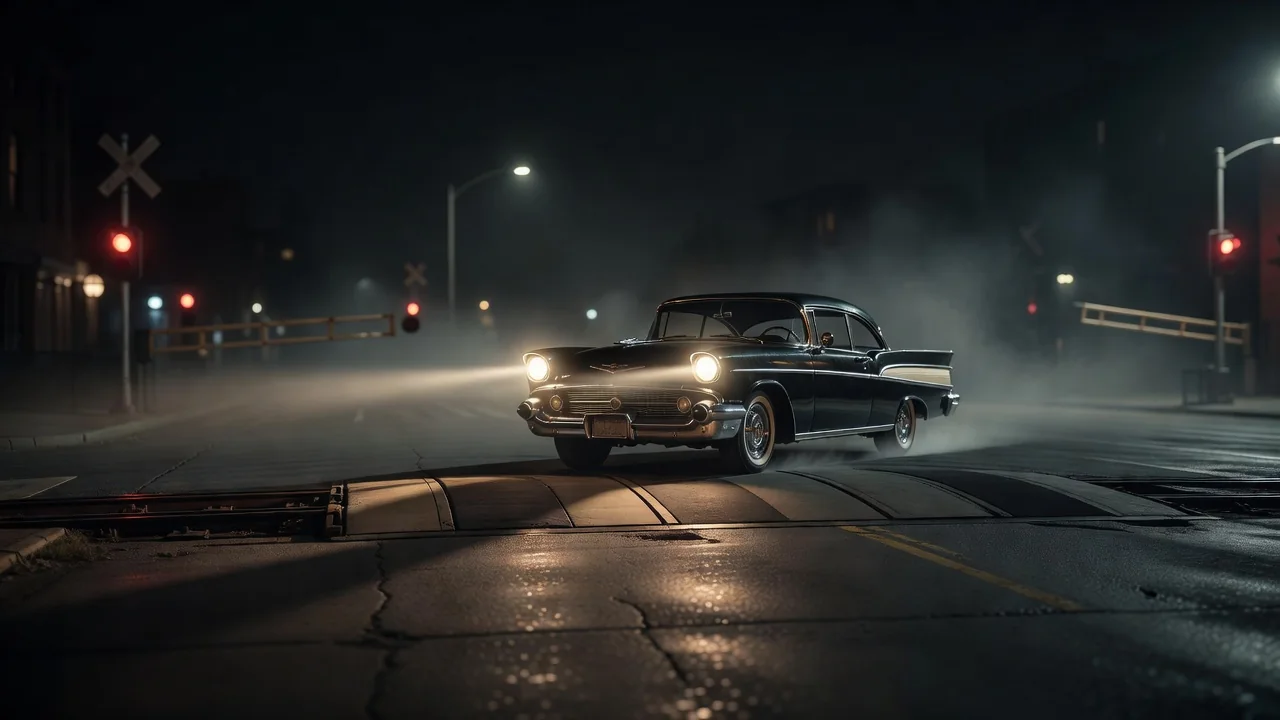
Six friends, one T.D.C. Cutlass and a railroad hump that was never fixed: how a bad joke became Detroit-area street racing folklore.
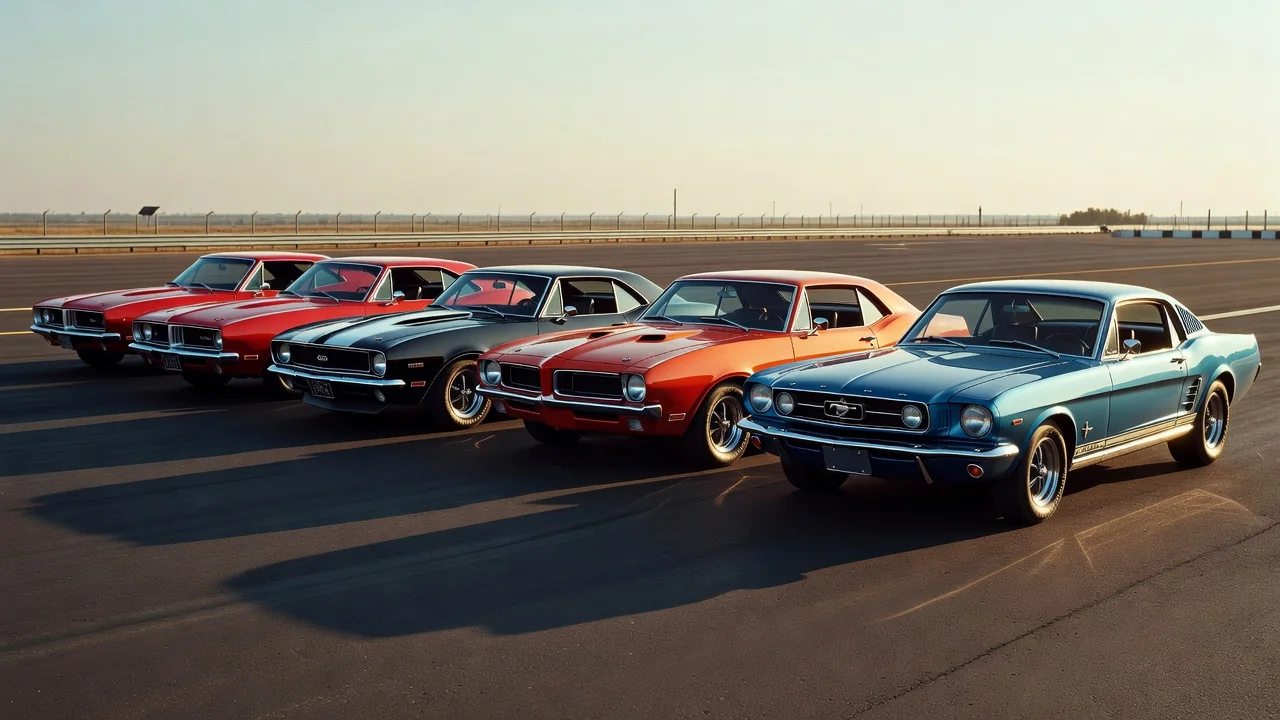
GTO, Road Runner, Cobra Jet, LS6: the showroom cars that built drag racing’s middle class between 1964 and 1971, and what they are like to race now.
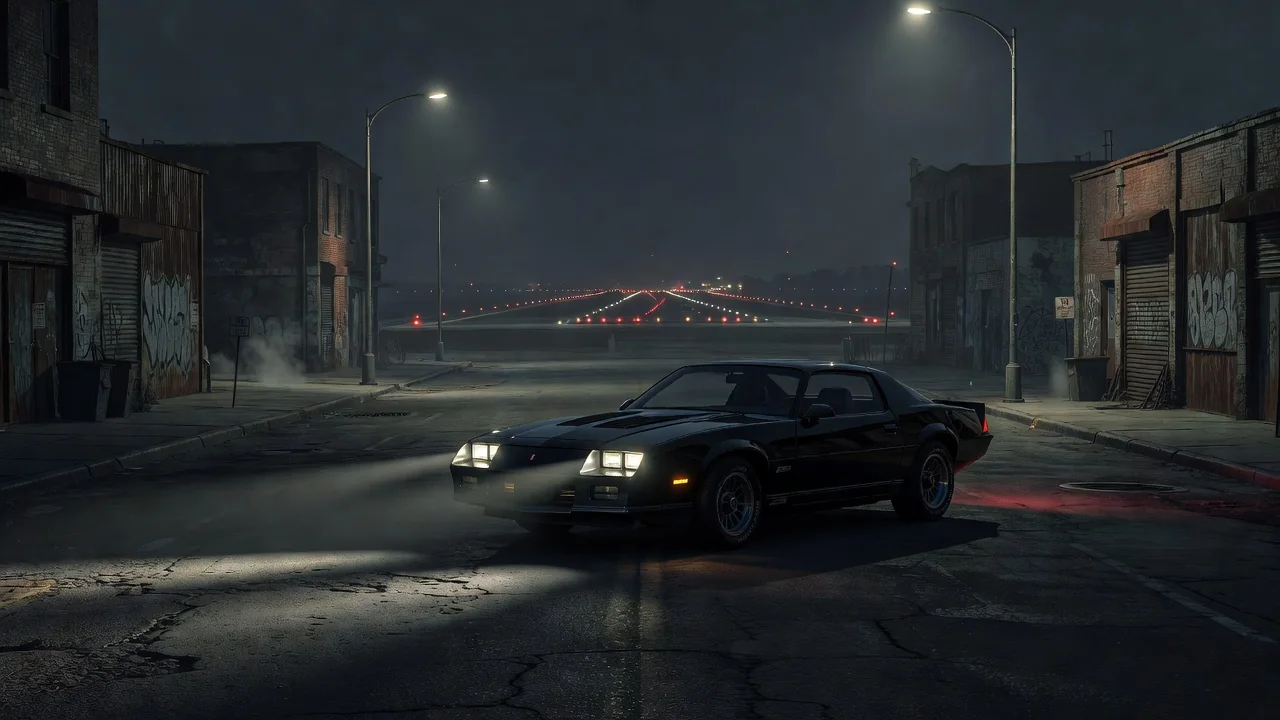
A garbage lawnmower, a go-kart track paycheck and a 1985 Camaro Z28: how one of the crew learned to race near the airport.
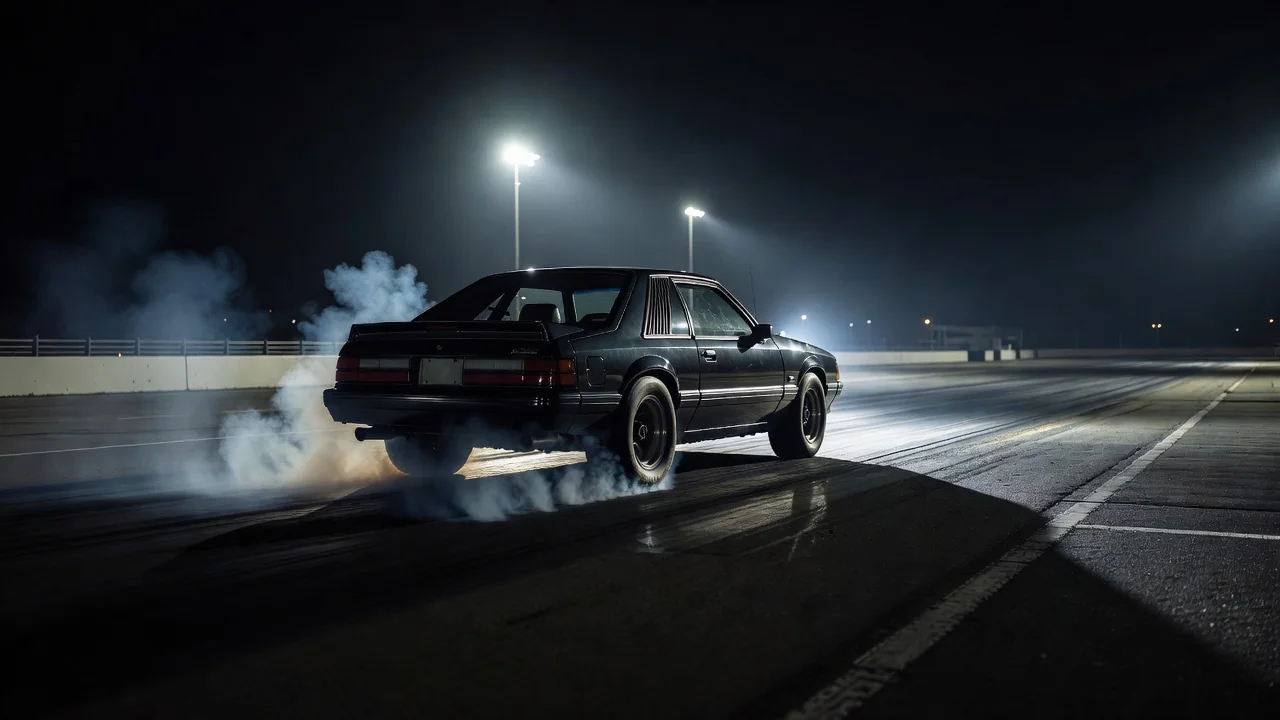
Light, cheap, simple and supported by thirty years of aftermarket: the math that put a 1979–1993 Ford in every staging lane in America.
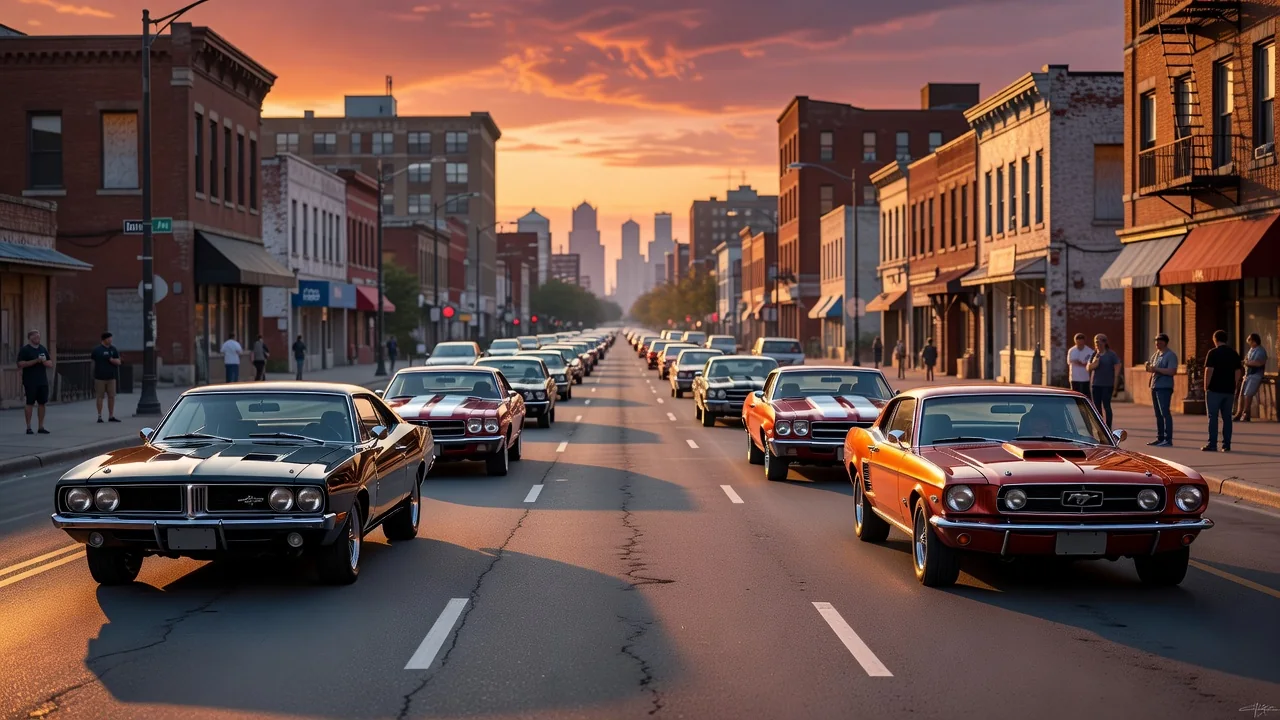
From midnight passes past the drive-ins to the million-spectator Dream Cruise: the avenue that made horsepower a spectator sport.

The fastest pass the crew ever filmed, the four-wheeler chaos in the pits, and the thousand-mile season from Florida to Cecil County.
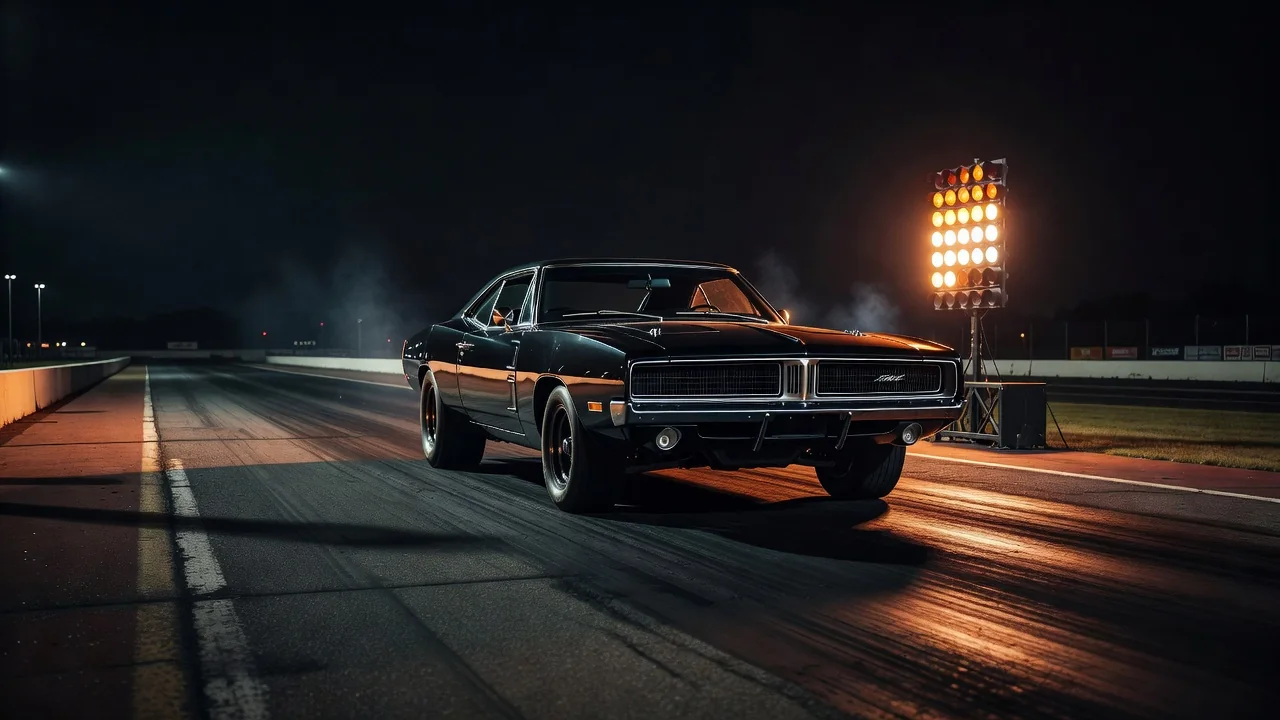
The three numbers that decide every drag race, why the launch matters more than the finish, and how bracket racing rewards discipline.
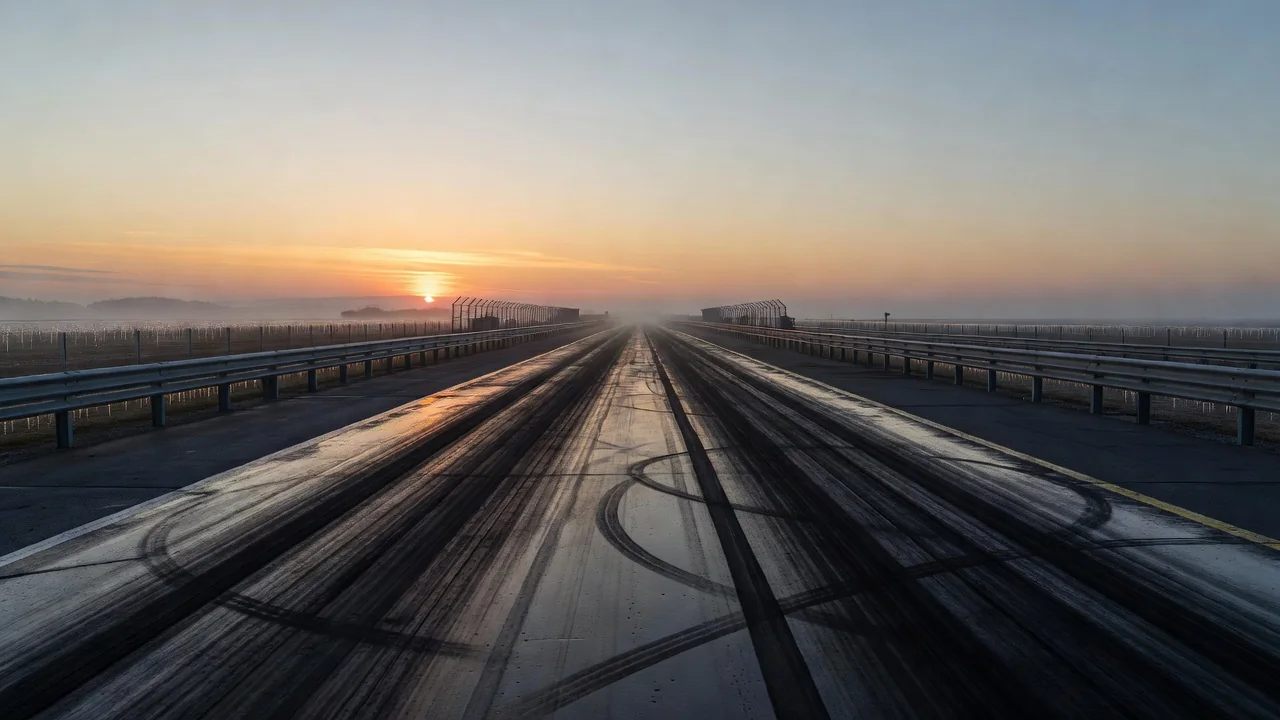
What tech inspection wants, what to bring, what it costs, and the etiquette that keeps you welcome in the staging lanes.
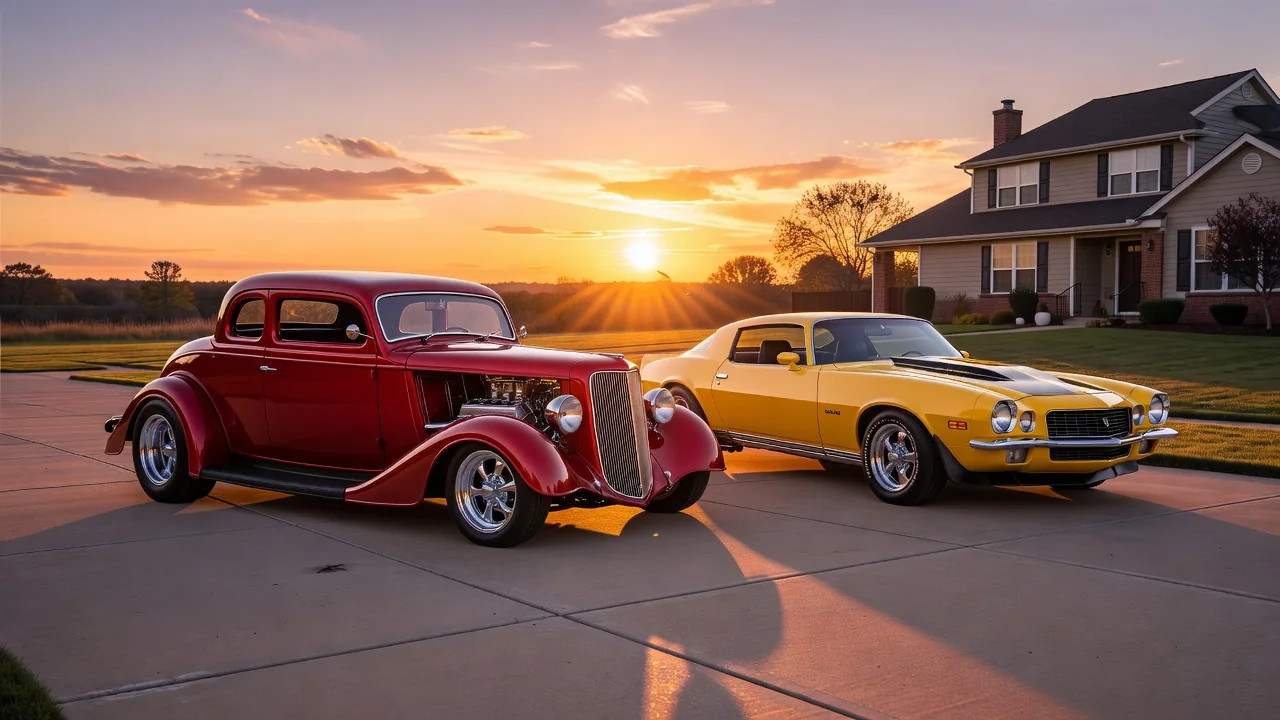
A 1937 Ford, a 1933 HighBoy, the Yellow Bullet Camaro and Jim Monson’s Mustang: four cars that mapped a scene.
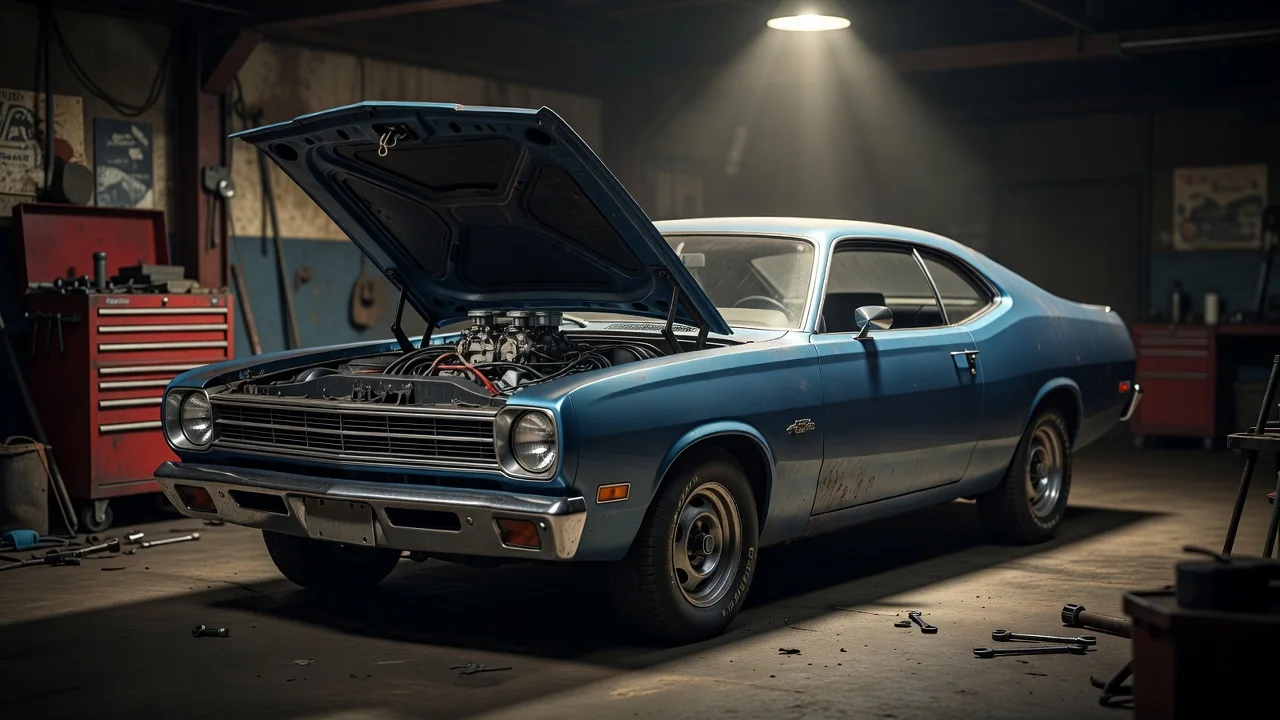
Back from the shop — again. The story of the crew’s Mopar project car and why a 340 Duster was the thinking man’s weapon.